

The rapid evolution of artificial intelligence has created a strong demand for flexible, high-performance platforms that can support complex machine learning workloads. Organizations today are no longer satisfied with static models or limited automation; they want intelligent systems that learn continuously, scale efficiently, and adapt to real-world data streams. Against this backdrop, the idea to develop oxzep7 software emerges as a strategic approach for building next-generation machine learning solutions that are both powerful and future-ready. This development process focuses on combining modern ML frameworks, modular software design, and performance-oriented infrastructure to create a system capable of handling advanced analytics, predictive modeling, and autonomous decision-making.
At its core, next-gen machine learning software must bridge the gap between data science experimentation and production-grade deployment. Oxzep7 is envisioned as a platform that allows teams to move faster from idea to implementation without sacrificing reliability or security. By aligning software engineering best practices with machine learning innovation, developers can create systems that not only perform well in controlled environments but also deliver consistent results at scale. Understanding how to structure, train, deploy, and maintain such software is essential for long-term success.
Vision and Strategy Behind Oxzep7 Development
A clear vision is the foundation of any advanced ML platform. Before teams attempt to develop oxzep7 software, they must define what problems the platform is meant to solve and which industries or use cases it will serve. Whether the focus is healthcare analytics, financial forecasting, intelligent automation, or large-scale recommendation systems, the strategic direction determines architectural decisions from day one. Without this clarity, even the most advanced algorithms can become fragmented and difficult to maintain.
The strategic layer also involves choosing between general-purpose machine learning capabilities and specialized domain intelligence. Oxzep7 is positioned as a flexible yet structured system, meaning it should support multiple ML paradigms such as supervised learning, unsupervised learning, reinforcement learning, and hybrid models. A strong strategy emphasizes extensibility, allowing new algorithms, datasets, and workflows to be integrated without re-engineering the entire platform. This approach ensures that the software remains relevant as machine learning techniques continue to evolve.
Core Architecture for Next-Gen Machine Learning
The architecture is the backbone of any system designed for advanced AI workloads. When teams set out to develop oxzep7 software, they must prioritize a modular, service-oriented architecture that separates concerns across data ingestion, model training, evaluation, and deployment. This modularity enables independent scaling and faster iteration cycles, which are critical for modern ML development.
A layered architecture works particularly well for next-gen machine learning platforms. At the base lies the infrastructure layer, which includes compute resources, storage systems, and networking. Above it sits the data layer, responsible for managing raw data, processed datasets, and metadata. The intelligence layer hosts machine learning models, feature engineering pipelines, and training logic. Finally, the application layer exposes APIs, dashboards, and integrations that allow users and external systems to interact with Oxzep7 seamlessly. This structured approach ensures maintainability, performance, and long-term scalability.
Intelligent Data Pipeline Design
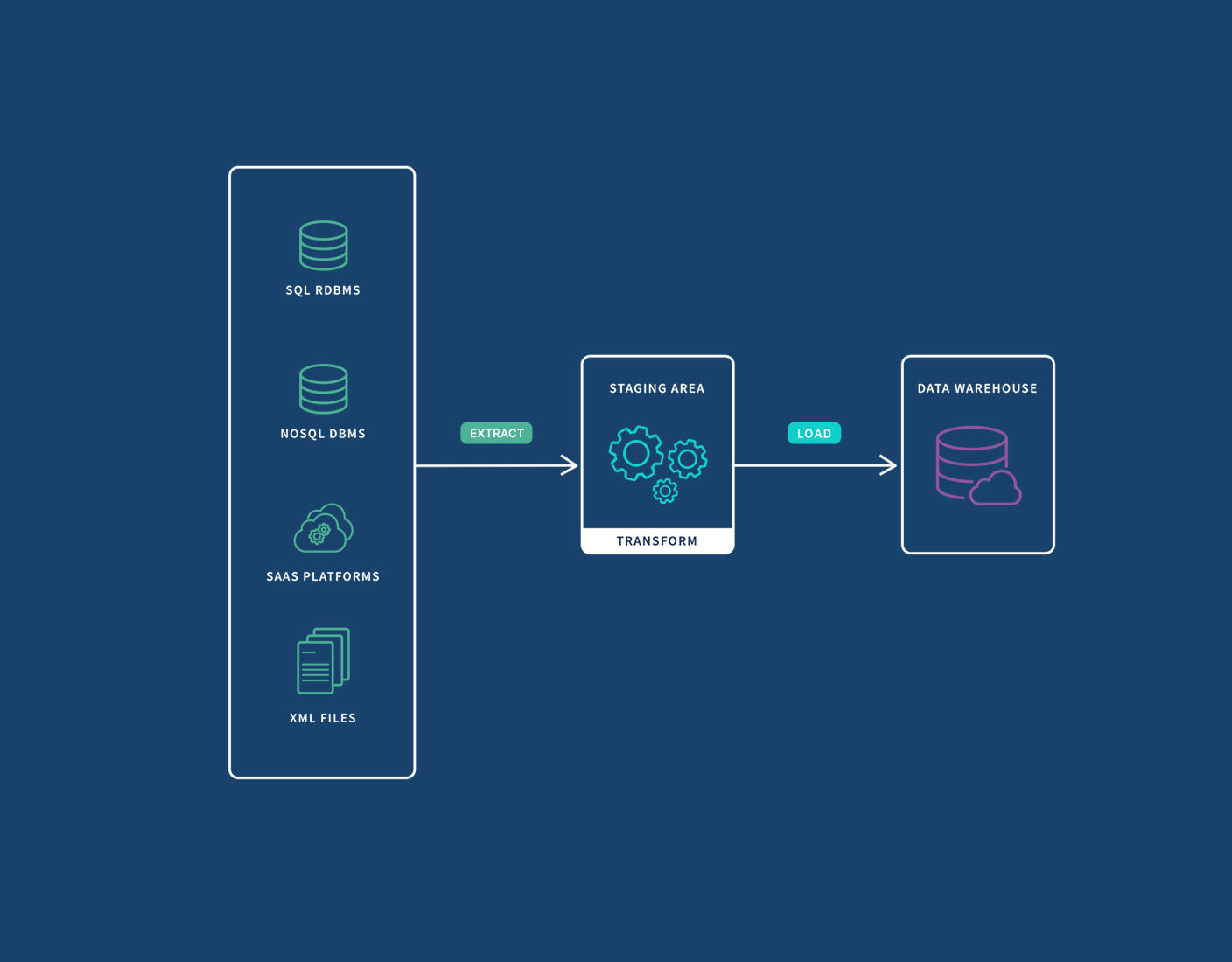
Data quality directly impacts model performance, making the data pipeline one of the most critical components. To successfully develop oxzep7 software, engineers must design pipelines that handle data ingestion, validation, transformation, and storage with minimal friction. Modern machine learning systems rely on continuous data flows rather than static datasets, so the pipeline must support both batch and real-time processing.
An effective Oxzep7 data pipeline emphasizes automation and traceability. Automated validation checks ensure that corrupted or biased data does not enter the training process, while versioning mechanisms track changes over time. Feature stores can be integrated to standardize feature engineering across multiple models, reducing duplication and improving consistency. By treating data as a first-class citizen, the platform ensures that models are trained on reliable, up-to-date information that reflects real-world conditions.
Advanced Model Training and Optimization
Model training is where theory meets execution. When organizations develop oxzep7 software, they must account for diverse training requirements, from small experimental models to large-scale deep learning architectures. The platform should support distributed training, GPU acceleration, and automated hyperparameter tuning to maximize efficiency and performance.
Equally important is the ability to experiment rapidly without compromising reproducibility. Oxzep7 can achieve this by integrating experiment tracking tools that log parameters, metrics, and model artifacts for every training run. This transparency allows data scientists to compare results, identify improvements, and roll back changes when necessary. Optimization techniques such as early stopping, model pruning, and ensemble learning further enhance performance, enabling the platform to deliver accurate predictions with lower computational costs.
Deployment, Inference, and Scalability
Deploying machine learning models into production is often more challenging than training them. To develop oxzep7 software that truly supports next-gen ML, deployment workflows must be automated, repeatable, and resilient. Continuous integration and continuous deployment pipelines help ensure that models move smoothly from development to production environments.
Inference performance is another key consideration. Oxzep7 should support multiple deployment options, including cloud-based services, on-premise systems, and edge devices. Load balancing, caching, and model serving optimization techniques help maintain low latency and high throughput even under heavy workloads. Scalability is achieved by designing the system to dynamically allocate resources based on demand, ensuring cost efficiency without sacrificing performance.
Security, Governance, and Compliance
As machine learning systems increasingly handle sensitive data, security and governance become non-negotiable. Any effort to develop oxzep7 software must include robust access controls, encryption mechanisms, and audit logging. These measures protect both data and models from unauthorized access or tampering.
Governance frameworks are equally important for maintaining trust and compliance. Oxzep7 should provide clear visibility into how models are trained, what data they use, and how decisions are made. This transparency supports regulatory requirements and ethical AI practices, particularly in industries where explainability is critical. By embedding security and governance into the platform’s core, organizations reduce risk while building confidence in their machine learning outputs.
Continuous Learning and System Evolution

One defining feature of next-gen machine learning is the ability to learn continuously. When teams develop oxzep7 software, they should design feedback loops that allow models to adapt as new data becomes available. Monitoring tools can track model performance in real time, detecting drift or degradation before it impacts business outcomes.
Continuous learning also involves updating the platform itself. As new algorithms, hardware accelerators, and frameworks emerge, Oxzep7 must evolve without disrupting existing workflows. This is achieved through modular updates, backward compatibility, and strong documentation. A living platform that grows alongside technological advancements ensures long-term value and competitiveness.
Future Potential of Oxzep7 in Machine Learning
Looking ahead, the potential of Oxzep7 extends beyond traditional machine learning applications. By integrating capabilities such as automated reasoning, multimodal learning, and AI-driven optimization, the platform can support more sophisticated use cases. Organizations that choose to develop oxzep7 software today position themselves to leverage these advancements tomorrow.
The convergence of machine learning with technologies like the Internet of Things, blockchain, and advanced analytics further amplifies Oxzep7’s relevance. As data sources become more diverse and interconnected, a flexible, scalable ML platform becomes essential. Oxzep7’s design philosophy aligns with this future, emphasizing adaptability, intelligence, and operational excellence.
Conclusion
Building a next-generation machine learning platform is a complex but rewarding endeavor. From architectural planning and data pipeline design to model training, deployment, and governance, every layer must work in harmony. The decision to develop oxzep7 software represents a commitment to innovation, scalability, and long-term machine learning success. By focusing on modular design, intelligent automation, and continuous improvement, organizations can create a platform that not only meets today’s demands but also anticipates tomorrow’s challenges.
Read More:- How to Develop Oxzep7 Software: Complete Guide