


Introduction
One of the most critical concerns in neuroscience, psychology, education, and even parenting is when the frontal lobe is fully developed. The frontal lobe is very important for making decisions, controlling impulses, managing emotions, planning, judging, and social behavior. Knowing when does the frontal lobe fully develop helps explain why teenagers think differently than adults, why young adults continue to grow emotionally, and why learning never really stops. This is because these skills affect almost every part of daily life.
This page goes into great length about when does the frontal lobe fully develop looking at biological timeframes, developmental phases, behavioral changes, and the things that affect growth. By the conclusion, you will know everything there is to know about when the frontal lobe fully develops, why it matters, and how it affects how people act throughout their lives.
What the Frontal Lobe Does and How It Works in the Brain
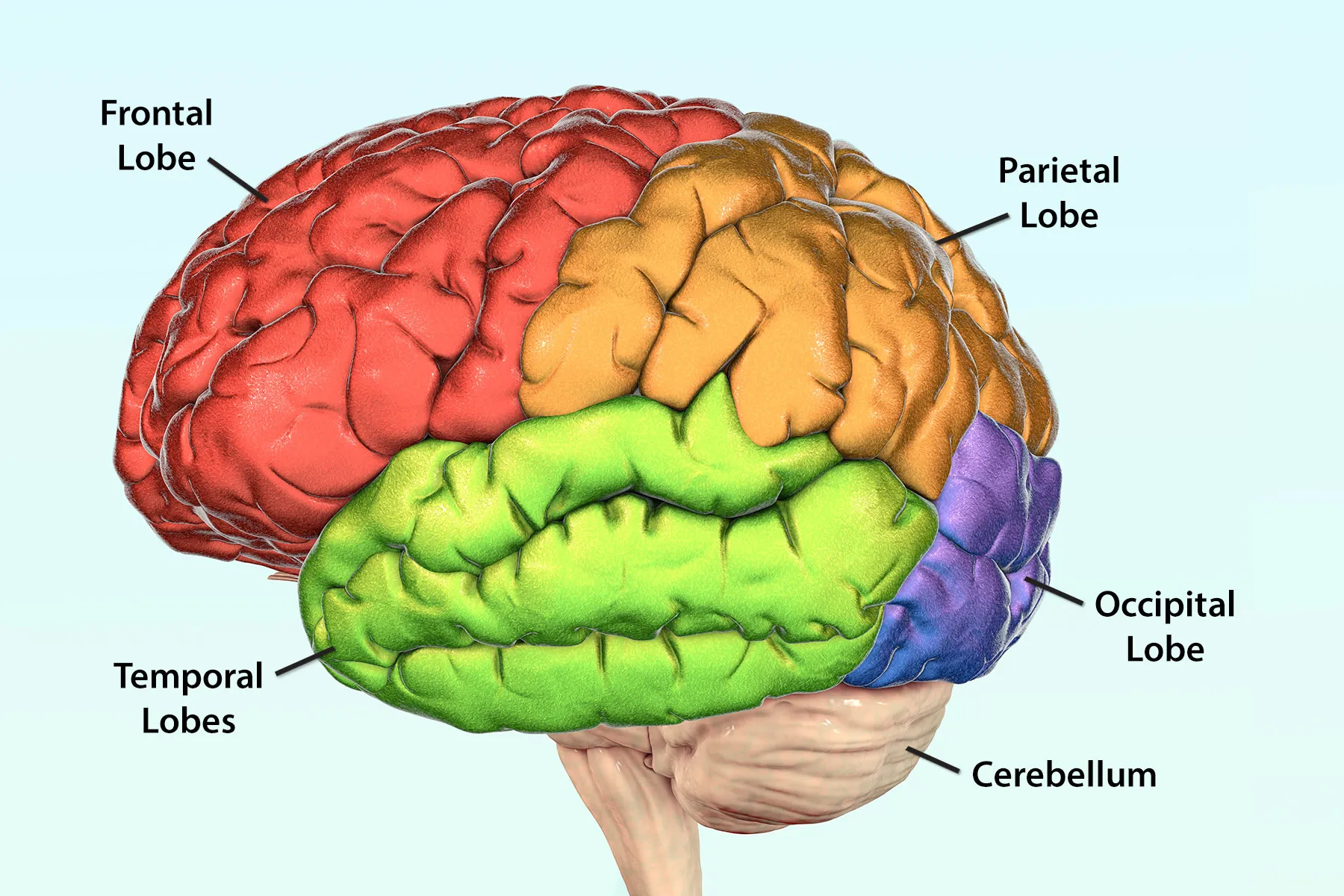
To know when does the frontal lobe fully develop you need to know what it does first. The frontal lobe is in the front of the brain, right behind the brow. It is the biggest part of the brain and is in charge of higher-level thinking.
These functions encompass reasoning, problem-solving, voluntary movement, speech production, attention regulation, and emotional control. The prefrontal cortex, which is the most complicated and slowest-growing part of the brain, is also in the frontal lobe. Due to its complexity, the inquiry regarding the complete development of the frontal lobe cannot be addressed by a singular age without elucidation.
The frontal lobe combines information from other parts of the brain and uses it to control behavior. This is why the frontal lobe not developing properly can lead to impulsiveness, taking risks, and trouble making long-term plans.
The Frontal Lobe and Early Brain Development
Before birth, the path to knowing when does the frontal lobe fully develop. Brain development begins in utero, where neurons are generated and relocated to their designated sites. The brain has most of its neurons at birth, but the links between them are still not fully developed.
The frontal lobe grows quickly throughout the first few years of life. Connections between neurons grow, and basic executive functions start to show themselves. But at this point, the frontal lobe is still not fully grown. Kids use a lot of their emotional and instinctual brain areas, which is why they have trouble controlling their impulses and their emotions.
When inquiring about the complete development of the frontal lobe, it is essential to understand that initial growth serves merely as a foundation rather than a conclusive phase.
Development of Children and Growth of Their Minds
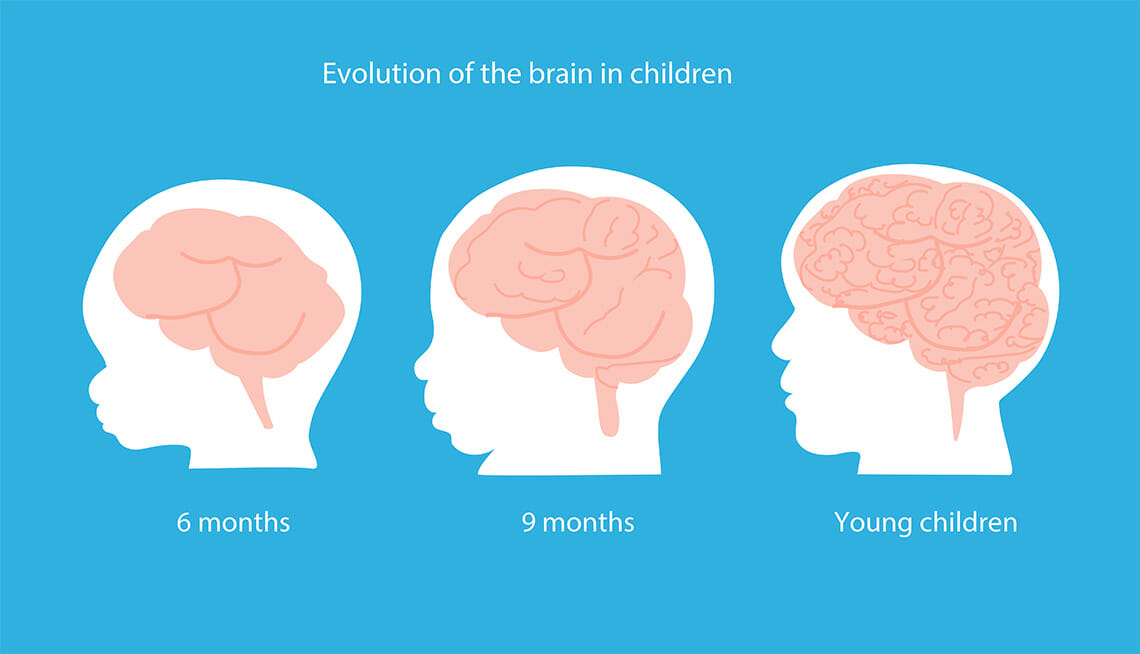
The frontal lobe keeps growing steadily as a child grows up. Kids get better at language, pay more attention, and start to understand rules, consequences, and social standards. These alterations are closely linked to the development of the frontal lobe.
Researchers concur that childhood does not yield a definitive answer about the complete development of the frontal lobe. Even while kids’ brains are still very malleable and need help from adults, they are making a lot of progress in their thinking skills.
At this point, the frontal lobe is learning how to control emotions and behavior, but it isn’t as efficient or integrated as it will be later. This is why kids have a hard time being patient, forming plans for the future, and making tough choices.
Teenagers and the Frontal Lobe
Adolescence is a crucial period for comprehending the whole development of the frontal lobe. The brain goes through tremendous changes during the teenage years. One of the most essential things that happens is synaptic pruning, which gets rid of unwanted neuronal connections to make the brain work better.
The process of myelination also speeds up. Myelin is a fatty material that covers brain connections and makes it easier and faster for messages to pass. The frontal lobe is where these changes are most noticeable.
Teenagers typically make rash decisions, even when they are growing physically and become smarter. This is because the parts of the brain that control emotions grow up faster than the frontal lobe. This imbalance elucidates why adolescents may partake in risky behaviors despite their awareness of potential consequences.
This is why adolescence is an important time to find out when the frontal lobe is fully developed, but it is not the last stage.
Young Adulthood and Brain Development

The most frequently acknowledged scientific answer to the question of when the frontal lobe fully develops is that it usually happens in the mid-to-late 20s. This usually happens between the ages of 25 and 30 for most people.
The frontal lobe gets better at working with other parts of the brain and becomes more ordered during young adulthood. People get better at making decisions, controlling their impulses, and keeping their emotions in check. Long-term planning, creating goals, and figuring out risks also get a lot better.
This stage is the best guess for when does the frontal lobe fully develop, although even then, it can happen at different times for different people. The speed at which people grow up is affected by their genes, their surroundings, their education, their stress levels, and their way of life.
Table 1: Development of the Frontal Lobe by Age Group
| Age Range | Frontal Lobe Development Characteristics |
|---|---|
| Birth–5 years | Rapid growth, basic emotional and motor control |
| 6–12 years | Improved attention, rule-following, and learning |
| 13–18 years | Synaptic pruning, increased risk-taking |
| 19–25 years | Strengthening impulse control and judgment |
| 26–30 years | Peak efficiency and integration |
| 30+ years | Maintenance and experience-based refinement |
This table shows why people commonly answer the question when does the frontal lobe fully develop with a range instead of a single number.
The Prefrontal Cortex: Why It Grows Last
One big reason why the frontal lobe doesn’t fully mature until later than other parts of the brain is that it is more complicated. The prefrontal cortex is in charge of moral reasoning, intellectual thought, empathy, and self-awareness. These functions necessitate considerable neuronal interconnectivity.
The brain focuses on activities that help it survive early in life, so areas that control movement, sensory processing, and emotions develop faster. Higher-level reasoning might take its time to grow, getting better with time and experience.
This delayed development is not a flaw but an adaptive advantage. It lets people learn from their culture and surroundings before they make decisions.
Signs of Maturity in the Frontal Lobe’s Behavior
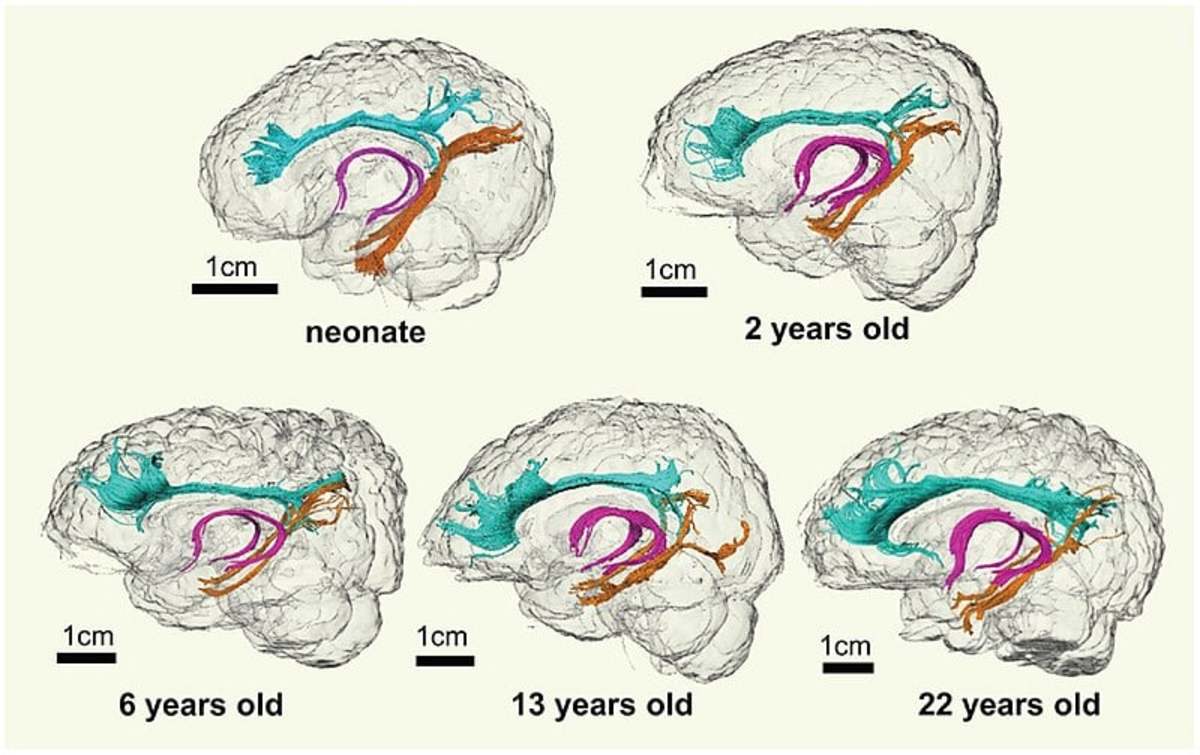
When people inquire when the frontal lobe is fully developed, they usually want to know about behavioral signals, not brain scans. Mature frontal lobe function is associated with consistent self-control, emotional stability, and thoughtful decision-making.
Adults whose frontal lobes are completely grown tend to think about the long-term effects of their actions, take a break before acting, and handle stress well. They also show improved empathy and social understanding.
These characteristics do not abruptly manifest at a specific age. Instead, they emerge gradually as the frontal lobe approaches full development.
Table 2: Skills Associated with Frontal Lobe Development
| Skill Area | Impact of Frontal Lobe Maturity |
|---|---|
| Decision-making | Better evaluation of risks and rewards |
| Emotional regulation | Improved stress and anger control |
| Planning | Long-term goal setting and follow-through |
| Social behavior | Empathy and appropriate responses |
| Impulse control | Reduced risky or reactive behavior |
These skills help clarify when does the frontal lobe fully develop in practical, real-life terms.
Five Key Points About Frontal Lobe Development
- When does the frontal lobe fully develop usually falls between ages 25 and 30
- Development is gradual and influenced by experience and environment
- Adolescents think differently due to incomplete frontal lobe maturity
- Full development improves judgment, planning, and emotional balance
- Learning and adaptation continue even after full maturation
Factors That Influence Frontal Lobe Development
Although science provides an average answer to when does the frontal lobe fully develop, individual differences matter. Nutrition, sleep, education, physical activity, and stress levels all play a role.
Chronic stress during childhood and adolescence can slow or alter frontal lobe development. On the other hand, supportive environments, mental stimulation, and healthy habits can enhance neural efficiency.
This variability explains why some individuals show mature behavior earlier, while others take longer to reach full frontal lobe development.
Does the Frontal Lobe Ever Stop Changing

Even after answering when does the frontal lobe fully develop, it is important to note that the brain remains adaptable throughout life. While structural development stabilizes in adulthood, functional changes continue.
Adults can still strengthen frontal lobe skills through learning, mindfulness, problem-solving, and emotional regulation practices. Aging may bring some decline, but experience often compensates with wisdom and perspective.
Thus, when does the frontal lobe fully develop marks a milestone, not an endpoint.
Common Myths About Frontal Lobe Development
One common myth is that people suddenly become fully mature at age 25. In reality, development is gradual and individualized. Another myth is that an underdeveloped frontal lobe excuses all poor decisions, which oversimplifies complex behavior.
Understanding when does the frontal lobe fully develop helps explain tendencies, not justify harmful actions. Responsibility and accountability still apply, regardless of developmental stage.
Why This Knowledge Matters
Knowing when does the frontal lobe fully develop has implications for education, parenting, mental health, and legal systems. It informs how society supports adolescents and young adults during critical decision-making years.
It also promotes empathy, helping people understand why younger individuals may struggle with impulse control while still learning essential life skills.
Conclusion
So, when does the frontal lobe fully develop? Scientific evidence points to the mid-to-late 20s, with most individuals reaching full maturation around age 25 to 30. This process begins before birth, accelerates during childhood, restructures in adolescence, and refines itself in young adulthood.
Understanding when does the frontal lobe fully develop provides insight into human behavior, emotional growth, and lifelong learning. While full development marks a significant milestone, the brain’s capacity for adaptation and improvement continues well beyond it.
Read More:- Business Phone Solutions for Modern Companies