


Introduction
One of the most common and crucial questions that people, families, and caregivers who want to know more about schizophrenia ask is when it starts. Schizophrenia doesn’t just happen all of a sudden. It doesn’t happen all at once; it happens slowly over many years because of a mix of biological, psychological, and environmental factors. Knowing when schizophrenia starts can help people feel less scared, make it easier to see it early, and get timely care that can make a big difference in long-term outcomes.
Schizophrenia is a long-term mental illness that changes how a person thinks, feels, sees the world, and interacts with other people. When symptoms become clear, the disorder may appear sudden, yet research suggests that little alterations can start even before a formal diagnosis. This page talks about when does schizophrenia develop, with a focus on age ranges, early stages, risk factors, and why it’s so important to find it early.
Knowing the Normal Age Range

One of the best ways to answer the question of when does schizophrenia develop is to look at the age of onset. Most persons who are diagnosed with schizophrenia start to show signs of the disease in their late teens or early twenties. This time is when the brain is growing a lot and people are going through big changes in their lives. These changes can make weaknesses more obvious.
Schizophrenia usually starts in men when they are in their late teens or early 20s. For women, the beginning usually happens a little later, usually in their mid-20s to early 30s. This disparity has been regularly noted across various cultures and populations. Knowing when schizophrenia usually starts in proportion to age might help doctors and families keep vigilant during years when the risk is higher without thinking that every change in behavior means someone is sick.
Schizophrenia can also emerge later in life, however this is less common. Late-onset schizophrenia, which manifests post-40 years of age, is uncommon however acknowledged. Cases that start in childhood or early adolescence are also rare and usually more serious. These differences show that there isn’t one age when does schizophrenia develop instead, it can happen at any age, depending on a number of things.
Brain Growth and Weakness
To comprehend the onset of schizophrenia, it is essential to examine brain development. The human brain keeps growing and changing until the mid-20s, especially in areas that control judgment, emotions, and abstract thought. Synaptic pruning is the process by which neuronal connections are improved during the teenage years and early adulthood.
This process may manifest differently in individuals who subsequently acquire schizophrenia. Studies indicate that alterations in brain chemistry and structure may commence years before to the manifestation of symptoms. These early neurological distinctions elucidate the timing of schizophrenia onset, which occurs during phases of fast brain transformation rather than in infancy or late adulthood for the majority.
Changes in hormones during puberty and early adulthood might potentially be a factor. Stress hormones, in conjunction with genetic predisposition, can influence neural signaling pathways. This interplay elucidates the timing of schizophrenia onset during periods of both biological and psychological transformation.
The Prodromal Phase: A Time to Be Aware
The prodromal phase is another important part of when does schizophrenia develop. This is a very early stage that might linger for months or even years before all the symptoms show up. Changes at this time are frequently small and can be mistaken for regular stress, mood problems, or changes in personality.
Common prodromal indications may encompass social retreat, deteriorating academic or occupational performance, concentration difficulties, alterations in sleep patterns, and heightened anxiety or irritability. These experiences do not indicate that schizophrenia is unavoidable; rather, they contribute to the understanding of its development as a continuous process rather than an abrupt occurrence.
It is important to recognize the prodromal phase because getting help early can make symptoms less severe later on. When people wonder when does schizophrenia develop it’s helpful to stress that the condition generally starts out softly before becoming more obvious.
First Episode and Symptoms That Are Still There
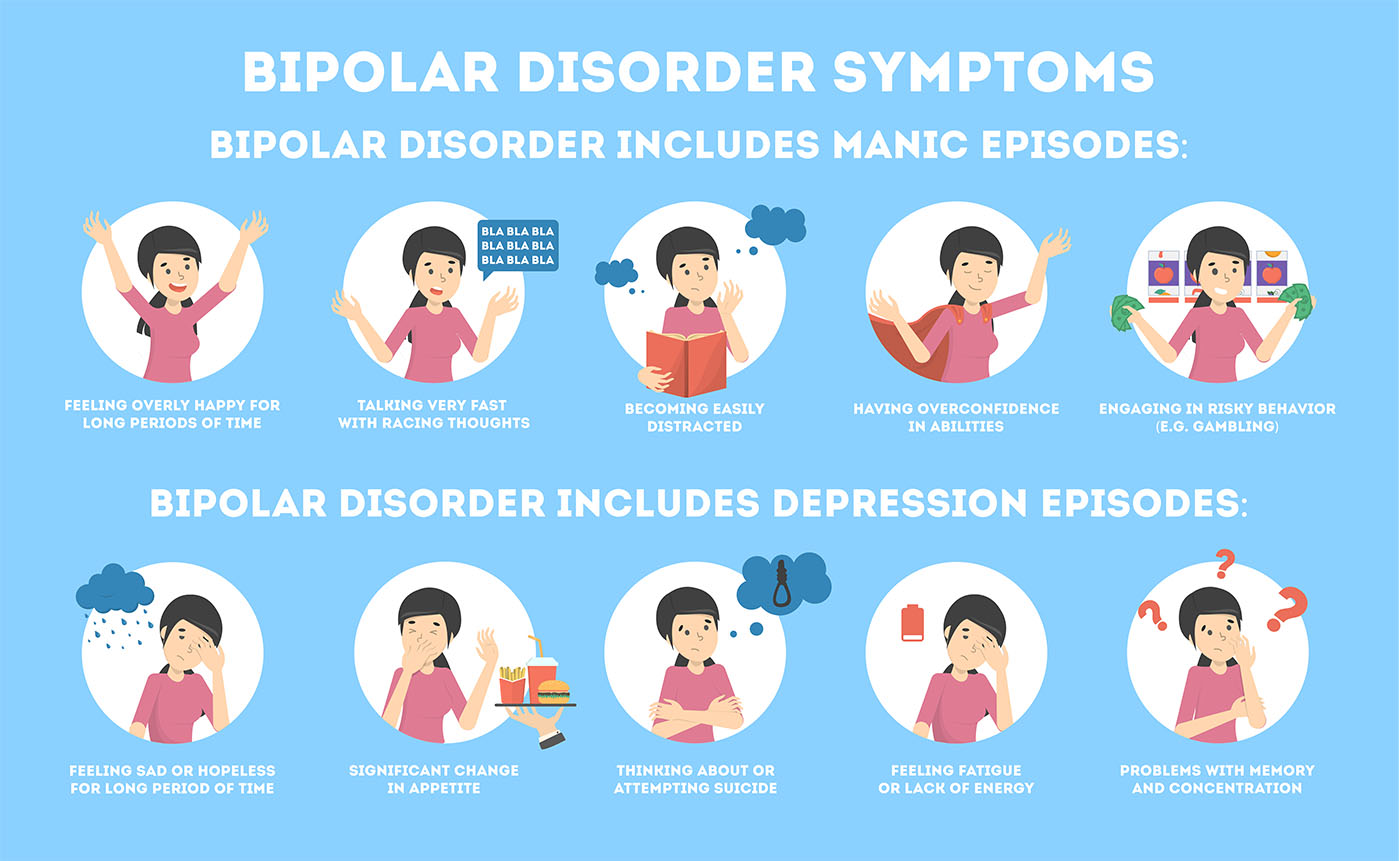
The first episode is frequently the point at which symptoms become visibly psychotic. Most of the time, this step is what leads to diagnosis and treatment. You may have hallucinations, delusions, disorganized thoughts, and a big drop in how well you can do things. For a lot of families, this is when they really want to know when schizophrenia starts to show up.
The first episode usually happens in late adolescence or early adulthood, which fits with the age patterns we talked about before. This stage can be brought on by stressful life events, substance usage, or big changes. These triggers do not independently induce schizophrenia; rather, they interact with preexisting vulnerabilities. This helps us understand when does schizophrenia develop as a mix of long-term risk and short-term stress.
Intervening early during the first episode is linked to greater results. Reducing the period between the start of symptoms and treatment can make people work better, lower the likelihood of relapse, and improve their quality of life.
Family History and Genetic Factors
Genetics are a big part of figuring out when does schizophrenia develop. Having a close family with schizophrenia raises the risk, but it does not mean that the disorder will happen. A lot of people who are genetically predisposed to schizophrenia never get it, but some people who don’t have a family history of illness do.
Genes affect how the brain grows, how neurotransmitter systems work, and how the body reacts to stress. These elements interact with life experiences over time. This relationship elucidates the variability in the onset of schizophrenia, even among individuals with analogous genetic origins.
A family history might sometimes affect when a person starts. In certain instances, individuals possessing significant genetic susceptibility may exhibit earlier symptoms. This is another reason why doctors look at a person’s family history when trying to figure out when does schizophrenia develop in that person.
Factors in the environment and society
Environmental factors also determine the onset of schizophrenia. Prenatal conditions, such maternal illnesses, inadequate nutrition, or problems following delivery, have been associated with an elevated risk. These early factors could have an impact on brain development long before any symptoms show up.
As people get older, prolonged stress, trauma, being alone, and using drugs can all make symptoms worse. Living in a city, moving to a new place, and having financial problems have also been linked to greater rates of schizophrenia. These factors do not operate in isolation; they interact with biological susceptibility to ascertain the onset of schizophrenia.
Knowing these things helps fight stigma. Schizophrenia is not a result of individual frailty or erroneous decisions. When does schizophrenia develop is instead a complicated relationship between biology and the environment.
What Makes Men and Women Different

Gender differences offer further understanding regarding the onset of schizophrenia. As previously said, men generally have an earlier onset compared to women. Women frequently have superior social functioning prior to commencement and may exhibit varied responses to treatment.
Hormonal variables, especially estrogen, are thought to have a protective impact that slows the beginning in women. This may elucidate the delayed onset of schizophrenia in many females and the symptom fluctuations occurring throughout hormonal transitions, such as menopause.
Acknowledging these distinctions facilitates tailored care strategies and enhances familial comprehension regarding the onset of schizophrenia in various individuals.
Table 1: Common Age of Onset Patterns Group:
| Group | Common Age Range | Notes |
|---|---|---|
| Males | Late teens to mid-20s | Often earlier and more abrupt onset |
| Females | Mid-20s to early 30s | Symptoms may develop more gradually |
| Early-onset | Before age 18 | Rare, often more severe |
| Late-onset | After age 40 | Uncommon, may present differently |
Why it’s important to recognize things early
It’s not only an intellectual topic to know when does schizophrenia develop it has real-world effects. Early recognition leads to early action, which is associated to improved long-term outcomes. Treatment in the early stages can assist keep jobs, school, and relationships.
People often put off therapy because they don’t understand or don’t notice the early signs. Families and people are more likely to get help when they first notice changes if they know when does schizophrenia develop.
Learning about early indications also helps people feel less scared and ashamed. People are more likely to see schizophrenia as a medical problem than a personal failure when they realize that it becomes worse with time.
Table 2: Steps in Growth
| Stage | Description | Timeframe |
|---|---|---|
| Vulnerability | Genetic and biological risk present | From birth |
| Prodromal | Subtle behavioral and emotional changes | Months to years |
| First Episode | Clear psychotic symptoms appear | Late teens to early 30s |
| Ongoing Course | Periods of remission and relapse | Adulthood |
Key Points to Remember About Adulthood
- When does schizophrenia develop It usually starts in late adolescence or early adulthood.
- Timing is affected by changes in hormones and brain development.
- Signs of trouble may show up years before a diagnosis.
- Genetics and the environment work together to change risk.
- Getting help early can lead to better long-term results.
These five points encapsulate the most important things to know about when does schizophrenia develop showing how important it is to be aware of the signs and act quickly.
Conclusion
When people talk about when does schizophrenia develop they generally talk about risk and symptoms. But it’s just as important to talk about hope. With the right therapy and support, many people with schizophrenia may live meaningful, productive lives. Knowing the developmental schedule helps you set realistic goals and motivates you to take care of yourself.
Recovery is not something that happens all at once; it happens over time. By knowing when when does schizophrenia develop, people and families can handle problems better and lessen the effects of symptoms.
The onset of schizophrenia is best comprehended as a progressive process influenced by age, neurodevelopment, genetics, and life experiences. People who know about this process are more likely to get care early, fight stigma, and focus on their long-term health.
Read More:- Can You Develop Asthma as an Adult? Causes, Symptoms, and Long-Term Outlook