

Introduction
The idea of fantastic self-hosted software has acquired a lot of traction as people and businesses want more control over their data, performance, and digital freedom. Self-hosting lets customers run apps on their own servers, personal hardware, or private cloud environments instead of relying on third-party cloud services. The amazing self-hosted ecosystem is based on openness, adaptability, and long-term viability. This makes it a more appealing option than typical SaaS alternatives.
Many consumers are finding that great self-hosted solutions are both cheaper and better for their privacy as concerns about digital privacy grow and subscription costs go up. Self-hosting gives you more freedom than centralized platforms provide. You can use it for anything from personal productivity apps to enterprise-grade infrastructure.
Getting to Know the Philosophy Behind Awesome Self Hosted
Awesome self hosted software is more than simply a technical choice; it’s a way of thinking. It stresses ownership, freedom, and personalization. Users don’t have to stick with vendor ecosystems or tight licensing restrictions. Instead, they can customize solutions to meet their own needs.
The great self-hosted movement is closely linked to the open-source culture, where people work together to come up with new ideas. Both developers and users provide enhancements, documentation, and security patches to the software, making sure that it advances in a clear and reliable way.
Why Awesome Self Hosted Is Becoming More Popular All Over the World

Data sovereignty is a big reason why more and more people are using fantastic self-hosted solutions. Users want to know that they are still in charge of their private information. When you host apps on private servers, you can be sure that your data won’t be sold, tracked, or shared without your permission.
Long-term cost-effectiveness is another aspect. Self-hosting may take some work to set up at first, but it usually means you don’t have to pay subscription costs every month. Over time, great self-hosted solutions can save a lot of money on running costs, especially for small enterprises and power users.
Main Types of Great Self-Hosted Apps
The great self-hosted ecosystem has many categories, each of which meets a particular requirement. People can use productivity tools to keep track of their projects, calendars, and notes. You can stream music and films privately using media servers. Communication platforms offer safe communications and resources for working together. Infrastructure tools help with monitoring, backups, and automation.
User control is what ties all of these groups together. No matter what kind of program it is, amazing self-hosted software makes sure that the user is always in charge of deployment, setup, and data management.
Awesome self-hosted environments for productivity and collaboration
Self-hosting productivity apps is one of the most common things people do. These tools take the role of standard cloud services with alternatives that are handled locally. You can use great self-hosted platforms to set up task management, document collaboration, and scheduling systems.
Companies can keep their internal processes running well without giving outside providers access to sensitive data. People do better in environments without distractions and with features that are tailored to their needs. Awesome self hosted productivity tools are especially enticing since they strike a good mix between privacy and functionality.
Awesome self-hosted solutions for managing media
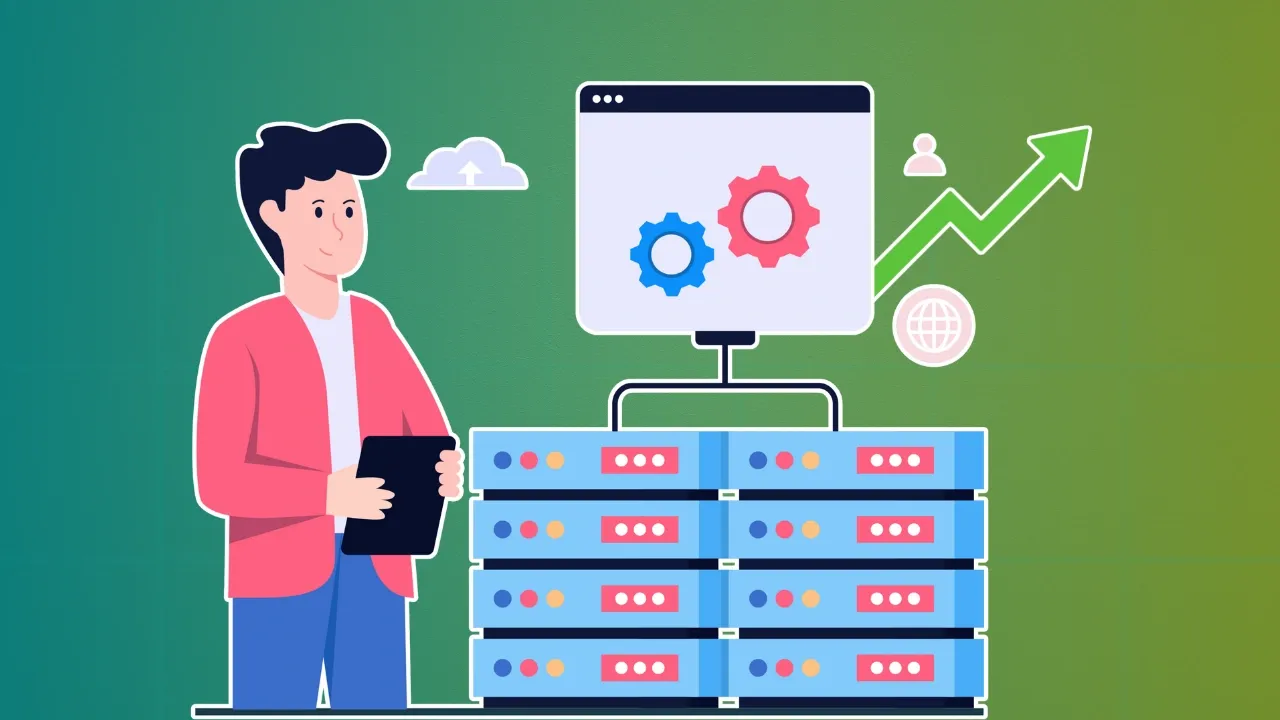
In the last few years, the way people consume media has evolved a lot, and great self-hosted platforms have been a big part of this development. Users can host their own media libraries, stream content to different devices, and have full control of their digital collections.
Awesome self hosted media solutions don’t have regional limits or remove content without warning, unlike commercial streaming services. This dependability guarantees long-term access and steady functioning.
Awesome Self Hosted Systems: Better Security and Privacy
Security is a big reason why people are using great self-hosted platforms. Users who host their own apps privately are less likely to be affected by large data breaches and security holes in third-party apps. System administrators can set up their own firewalls, encryption mechanisms, and security policies.
Privacy is just as crucial. Awesome self hosted environments stop invasive tracking and data profiling. Users choose what data is gathered, how it is stored, and who may see it. This makes the digital experience more ethical.
Things You Need to Run Great Self-Hosted Software
To set up great self-hosted apps, you need to know a little bit about servers, networking, and system management. Hardware can be anything from dedicated servers to low-power single-board computers. People often utilize virtual machines and containers to make deployment easier.
It’s important to think about things like operating systems, storage planning, and backup plans. Many users feel that mastering great self-hosted settings improves their general technical skills, even though the learning curve may seem severe at first.
Common Ways to Set Up Awesome Self-Hosted Platforms
There are a number of ways to set up great self-hosted applications. Some people choose to set up their own servers at home or in the office. Some people choose to host their own private virtual servers in data centers. Hybrid models use both local hosting and remote backups to make sure that data is always available.
Each method has its own pros and cons when it comes to cost, performance, and upkeep. One of the best things about excellent self-hosted solutions is that you may choose the model that works best for you.
Awesome Self Hosted Systems: Performance and Reliability
Another benefit of great self-hosted platforms is that they can improve performance. Users don’t have to deal with performance problems that happen in shared cloud settings because resources are set aside for certain apps. If you tune your hardware and software correctly, response times will be consistent.
Good preparation is what makes something reliable. Redundant storage, automated backups, and monitoring tools all assist keep uptime. When done well, great self-hosted solutions can be just as reliable as or even more reliable than commercial services.
Comparing Awesome with Cloud Services Alternatives for Self-Hosting
| Aspect | Cloud Services | Awesome Self Hosted |
|---|---|---|
| Data Control | Managed by provider | Fully owned by user |
| Customization | Limited | Extensive |
| Cost Model | Subscription-based | One-time or low recurring |
| Privacy | Provider-dependent | User-defined |
| Vendor Lock-in | Common | Minimal |
Common Uses for Awesome Self-Hosted Software
A lot of people use great self-hosted platforms for personal, educational, and work purposes. People run their own media servers and personal knowledge bases. Schools use learning systems inside their own buildings. Companies have systems for managing projects, talking to customers, and talking to each other.
Awesome self hosted software is flexible enough to meet a wide range of needs without losing control or transparency.
Things to think about while scaling up in Awesome Self Hosted Environments
People that self-host generally don’t understand scalability. Cloud providers let you scale up right away, but with the right design, great self-hosted systems can also scale up. Modular architectures and containerization let apps grow as more people use them.
As needs change, hardware upgrades or distributed deployments might make things bigger. This makes sure that great self-hosted solutions can still work for businesses that are growing.
Keeping Awesome Self Hosted Systems Up to Date and Running
In great self-hosted setups, maintenance is something that needs to be done all the time. It’s important to have regular updates, security fixes, and performance checks. Many platforms have automatic update systems that make this process easier.
Maintenance takes time, but it also makes things clear. Users know exactly when changes happen and may test updates before they go live, which lowers the chance of unanticipated problems.
Help from the community and documentation for great self-hosted projects

Strong community support is very important for the success of great self-hosted software. Forums, documentation, and collaborative development make sure that users are not alone. Community-driven projects often change quickly to meet the needs of the actual world.
This shared pool of knowledge lets consumers address problems on their own while also giving back to the ecosystem.
Problems and Limitations of Great Self-Hosted Solutions
Even though it has many benefits, great self-hosted software is not without problems. Setting things up for the first time can be hard for beginners. You need to know how to fix hardware problems. To manage systems well, you need to put in some time.
But a lot of people see these problems as chances to grow and become more independent. As you get better at operating great self-hosted platforms, it becomes easier and more gratifying.
Choices for Hardware A lot of people use this for great self-hosted setups.
| Hardware Type | Typical Use Case | Advantages | Limitations |
|---|---|---|---|
| Home Server | Personal projects | Low cost | Limited scalability |
| VPS | Small businesses | Easy setup | Monthly fees |
| Dedicated Server | Enterprises | High performance | Higher upfront cost |
| Single-Board Computer | Lightweight apps | Energy efficient | Limited power |
Choosing the correct hardware is important for getting the best performance out of great self-hosted apps.
Trends in the Future of Great Self-Hosted Technology
It looks like the future of great self-hosted platforms is bright. Improvements in container orchestration, automation, and security tools are making it easier to host your own services. User-friendly interfaces are making it easier for people to get started.
More and more developers are making apps that are perfect for great self-hosted deployment as people learn more about it. This trend points to a sustained move toward digital infrastructure that is decentralized and owned by users.
Why Awesome Self Hosted Is a Good Digital Strategy for the Long Term
Choosing great self-hosted solutions is more than just a technical choice; it’s a long-term investment in digital independence. Users have more control over their data, pricing, and personalization, and they don’t have to rely as much on outside providers.
This way of doing things fits in with bigger trends toward decentralization and using technology in a moral way. Over time, great self-hosted platforms provide users the power to change their digital spaces to fit their requirements and ideals.
In conclusion: Embracing the power of Awesome Self Hosted
The rise of great self-hosted software shows that more and more people want to be independent, private, and sustainable in the digital world. When users host programs privately, they get back control of their data and workflows.
Self-hosting takes time and effort, but the benefits are huge. Awesome self hosted solutions are a great alternative to centralized services since they offer better security and lower long-term costs. Self-hosting will always be an important part of a more open and user-friendly internet as technology changes.
Read More:- Synonyms for Develop: Explore Growth, Progress, and Advancement